
fashion

Color Trademarks and Fashion: Branding That “Pops”

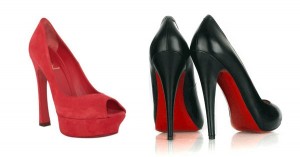
YSL Christian Louboutin red soles 300x157 - Color Trademarks and Fashion: Branding That “Pops"

Color trademarks are those which use a color alone as the brand for a product, what trademark experts call a “source indicator.” Color marks are considered non-traditional trademarks, and they are generally disfavored by the U.S. Patent and Trademark Office. Nonetheless, some color marks have achieved “distinctiveness,” that is, the degree of public recognition as a source indicator compels the USPTO to allow owners to register the color as a mark in their field of commerce.

Louboutin Loses: The Red-Soled Plot Continues

Footwear designer Christian Louboutin, has just suffered another set-back in the company’s ongoing effort to own the red sole, this time in Louboutin’s native France. In 2008, Louboutin filed a lawsuit in Paris against Spanish clothing manufacturer and retailer Zara, after Zara sold a red-soled shoe.  This May, the French Cour de Cassation (the French appeals court) irrevocably invalidated Louboutin’s trademark to the red sole in France. The decision appeared to rest on what some might consider a technicality, with the Cour de Cassation noting that Louboutin’s France trademark registration lacked a specific Pantone color reference, a standardized color reproduction code used universally in a variety of industries and in trademark registration[1]. Accordingly, the Cour de Cassation faulted the registration for its lack of precision and distinctiveness. Without the degree of precision that French law considers essential to a trademark, Louboutin was criticized for simply trying to maintain the registration of a “concept,” that of putting bright red soles on shoes produced by the same brand. A “concept,” said the Court, is not sufficient to justify trademark registration. Louboutin was also ordered to pay €2,500 (approximately $3,600) of Zara’s litigation costs for the failed legal action.
 

“Here’s Looking at You, Kid”: That’s Not London Fog in the Moroccan Mist

Burberry has made extensive social media efforts this year to tell the public how its iconic look and status developed over time. Companies, like Burberry, with a visual history to promote, are especially attracted to Facebook’s Timeline.

Timeline lets users post stories and pictures in chronological order. Visitors scroll down on a Facebook page and go back in time to the initial creation of a product.

The company can create a nostalgic connection between the visitor and the brand. The Facebook Timeline for this “156 year-old global brand with a distinctly British attitude” includes photos of Burberry’s first store opening in 1856, images of pilots wearing Burberry aviator suits, and pictures of its classic trench coat through the years.

Federal Circuit tells COACH, You’re Not Famous Enough!

Earlier this year, the Federal Circuit found the COACH mark for famous American handbags to be not famous enough to oppose a similar mark that an educational testing preparation company sought to register. In trademark law, a trademark owner generally has to prove the likelihood of consumer confusion in order to successfully oppose another’s use or registration of a similar mark. This usually means that the two companies will be competing in the same line of business or in related markets. However, those whose marks are famous enough can stop another from registering a similar mark, even if they are not likely to confuse consumers or even run into each other in the marketplace. This is what Coach, the luxury handbag and accessories designer, attempted to do. It brought a dilution claim saying that those who saw the advertising of the Coach testing prep company might not confuse it with the company’s trademark COACH for handbags, but that the use by the testing company was likely to blur or tarnish (to “dilute”) the famous mark of Coach handbags.